The allure of uncertainty
The unpredictable nature of casinos captivates the human psyche. This allure of uncertainty, where outcomes can swing wildly, ignites excitement and curiosity among players. In a world dominated by routine and predictability, stepping into a casino offers an escape from the mundane. The potential for life-changing wins against the backdrop of flashing lights and vibrant sounds transforms the entire experience into a thrilling adventure. Many enthusiasts prefer to explore their options online, as they can find the best online casino australia that suits their personal style and preferences, which is what keeps people returning.
Anticipation builds as dice are rolled, cards are drawn, or roulette wheels are spun. Each moment laced with suspense heightens the emotional stakes; it’s not merely about the game but also about the enjoyment derived from the experience itself, where both triumph and defeat are celebrated in their unique ways. The thrill is magnified by the social aspects of gambling, where individuals gather around tables and machines, sharing in the excitement. Conversations buzz, cheers erupt, and sometimes even gasps of despair resonate throughout the casino floor.
The communal experience of risk-taking enhances the appeal, with people often reveling in each other’s fortunes and misfortunes, creating bonds through shared experiences in the realm of chance. This collective energy fuels the atmosphere, making it more than just a game; it becomes a social event. The unpredictability of outcomes not only keeps players on their toes, but it also fosters a sense of camaraderie among participants, all of whom are drawn into the thrilling dance of chance and fate.
The psychology behind gambling
Understanding the psychology of gambling reveals the intricate motivations that drive individuals to partake in such activities. Many players are drawn by the thrill of risk, which taps into deeper psychological needs, such as the desire for achievement and adventure. Gamblers often experience a dopamine rush akin to extreme sports enthusiasts or thrill-seekers, deriving pleasure from the possibility of danger combined with risk. This biochemical reaction reinforces their behavior, urging them to chase that next high, often leading to repeated visits to casinos or gambling establishments.
Additionally, the concept of near-misses plays a critical role in keeping players engaged. When a player narrowly misses a win, it can serve as a powerful motivator, sparking the urge to continue playing. This psychological phenomenon, reinforced by both cognitive biases and emotional responses, creates a false sense of hope that encourages gamblers to invest more time and money in pursuit of victory. The thrill of almost winning can be just as compelling as actually winning and is often a key factor in why individuals return to gamble.

Casinos capitalize on these psychological intricacies. The design of these establishments is meticulously planned to immerse players in a captivating environment. Bright lights, engaging sounds, and even the layout of games are crafted to maximize emotional engagement and maintain the player’s interest. This cultural aspect of gambling transforms it into more than just a game; it becomes a psychological journey that resonates on a personal level, drawing players into an intricate web of risk and reward that keeps them coming back for more.
The thrill of winning
Winning at a casino, however infrequent, creates a wave of euphoria that is hard to replicate. The moment a player hits the jackpot or wins a significant hand can instill the kind of exhilaration that remains etched in memory. This magical experience is often highlighted in countless stories shared among friends and family, further enhancing one’s desire to experience victory again. The feeling of elation from a win not only inflates one’s mood but can also foster a sense of accomplishment, making them feel like a master of their fate.
Moreover, the impact of winning goes beyond the immediate thrill. It often leads to a cascading effect where winners may share their bounty, treat friends, or even go on adventures. This social sharing reinforces personal connections and relationships, as the joy of winning is frequently celebrated within communities. The act of winning quickly transforms into a story—a narrative of triumph that boosts morale and builds camaraderie, underlining the social fabric that casinos help create and enhance.
Unfortunately, while the thrill of winning is a primary draw, it is crucial to acknowledge the flip side of this coin. For some, the pursuit of that high can lead to problematic gambling behaviors. Understanding one’s limits and maintaining a healthy perspective on wins and losses is essential. While the potential for a big win is enticing, it comes with the responsibility of playing wisely and recognizing when the excitement may be turning into an unhealthy obsession. Balancing the thrill of winning with personal responsibility is key to enjoying the casino experience.
Cultural significance of casinos
Casinos have woven themselves into the cultural fabric of societies worldwide. Traditionally viewed as places of entertainment, these establishments have evolved into symbols of luxury and escapism. From Las Vegas to Monte Carlo, casinos not only attract gamblers but also serve as tourist attractions, providing a multifaceted experience that includes world-class dining, entertainment, and nightlife. This blend of offerings amplifies the social significance attached to casinos and expands their appeal beyond just gambling.
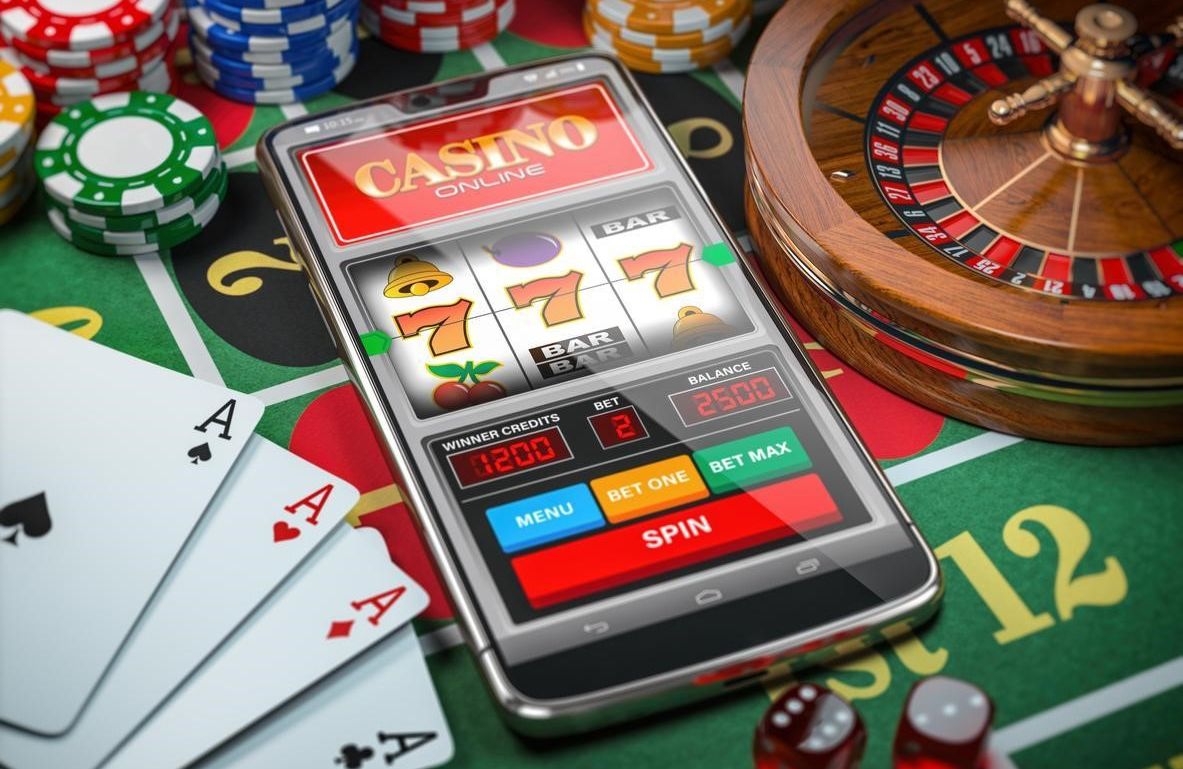
Additionally, the portrayal of casinos in popular culture—through films, music, and literature—offers a romanticized view of the thrill associated with gambling. These depictions often highlight the glamorous lifestyle associated with winning, creating an aspirational image that draws individuals toward casinos. The narrative of the “high roller” captivates imaginations, leading many to believe they too could be part of this exhilarating world, whether by chance or skill, thereby enhancing the cultural allure of these establishments.
Furthermore, as society evolves, so do casinos. Many now embrace higher standards of responsible gambling, implementing measures to ensure player safety and maintain a balanced approach to risk. This modern adaptation acknowledges the complexity of the gambling world, promoting a responsible and enjoyable experience while maintaining the thrill that so many people cherish. Casinos are no longer merely places to gamble; they have become integral components of contemporary culture and entertainment, shaping social interactions and experiences.
Exploring online alternatives
The rise of technology has given birth to a new era of gambling experiences—online casinos. These digital platforms replicate the thrill of traditional gambling while providing convenience and accessibility. Players can now enjoy their favorite games from the comfort of their homes, with many offering a wider variety of options than a physical casino. This shift in accessibility has opened the door for more individuals to partake in the exhilarating world of risk without the constraints of geographical location, making gambling more inclusive and diverse.
Online casinos also cater to a diverse range of player preferences with various games, from classic table games to innovative slot machines. The ability to interact with other players through live dealer options brings a social element reminiscent of traditional casinos, allowing for a shared experience even in the digital realm. As technology advances, features like augmented reality and virtual reality are beginning to emerge, enhancing the immersive experience and keeping players engaged. This evolution represents a significant shift in how people experience gambling.
However, just as with traditional casinos, it is essential to approach online gambling with caution and awareness. Many online platforms promote responsible gaming and provide tools to help players manage their time and spending. Players should always stay informed and prioritize their well-being alongside their pursuit of excitement. The thrill of risk remains a central theme whether one chooses a brick-and-mortar establishment or an online version, but maintaining a sense of responsibility is key to enjoying the experience and mitigating potential pitfalls associated with gambling.