The evolution of gambling tracing its historical roots and cultural significance
The Origins of Gambling
The practice of gambling can be traced back thousands of years to ancient civilizations. Archaeological evidence suggests that the earliest forms of gambling involved simple games of chance, often played with dice made from animal bones. These early games were not merely for entertainment; they served ritualistic purposes and were integral to societal structures, often linked to religious practices and decision-making. In this context, platforms like ทางเข้า fun88 have emerged as modern venues for exploring games of chance.

In ancient China, around 2300 BC, the earliest known lottery games began to emerge. These early forms of gambling allowed communities to raise funds for public projects, illustrating the dual role gambling played in both entertainment and social governance. Similarly, the Romans utilized gambling for both amusement and as a means to bolster military morale, showcasing its adaptability across cultures and contexts.
Gambling in the Middle Ages
The Middle Ages marked a significant evolution in gambling practices across Europe. During this period, card games gained immense popularity, brought to the continent from Asia through trade routes. The introduction of cards transformed gambling into a more sophisticated pastime, appealing to a broader audience beyond the elite.
By the 16th century, betting on various sports became commonplace, with horse racing leading the pack. This period also saw the establishment of some of the earliest gambling houses. These establishments offered a regulated environment for betting, indicating a shift towards organized gambling practices that would set the stage for modern casinos.
The Rise of Modern Casinos
The 17th and 18th centuries heralded the birth of the modern casino. The first official casino, the Casino di Venezia, opened its doors in Italy in 1638, laying the groundwork for gambling as a significant entertainment industry. This establishment attracted patrons from across Europe, eager to experience the thrill of chance in a social setting.
As the popularity of casinos soared, gambling laws began to evolve, with various regions imposing regulations to manage the burgeoning industry. By the 19th century, casinos had spread to other parts of Europe, with cities like Monte Carlo becoming synonymous with luxury and high-stakes gambling, ultimately influencing global gambling culture.
The Cultural Significance of Gambling
Gambling holds substantial cultural significance across different societies. In many cultures, it is more than just a game; it is a form of social interaction that brings people together. Celebrations, festivals, and communal events often incorporate gambling elements, reinforcing bonds among participants while reflecting local traditions and values.
Moreover, gambling can act as a reflection of societal attitudes towards risk, fortune, and even morality. As societies have evolved, so too have the perceptions of gambling, oscillating between views of it as a sin or a legitimate form of entertainment. This duality continues to shape the way gambling is approached in various cultures around the world.
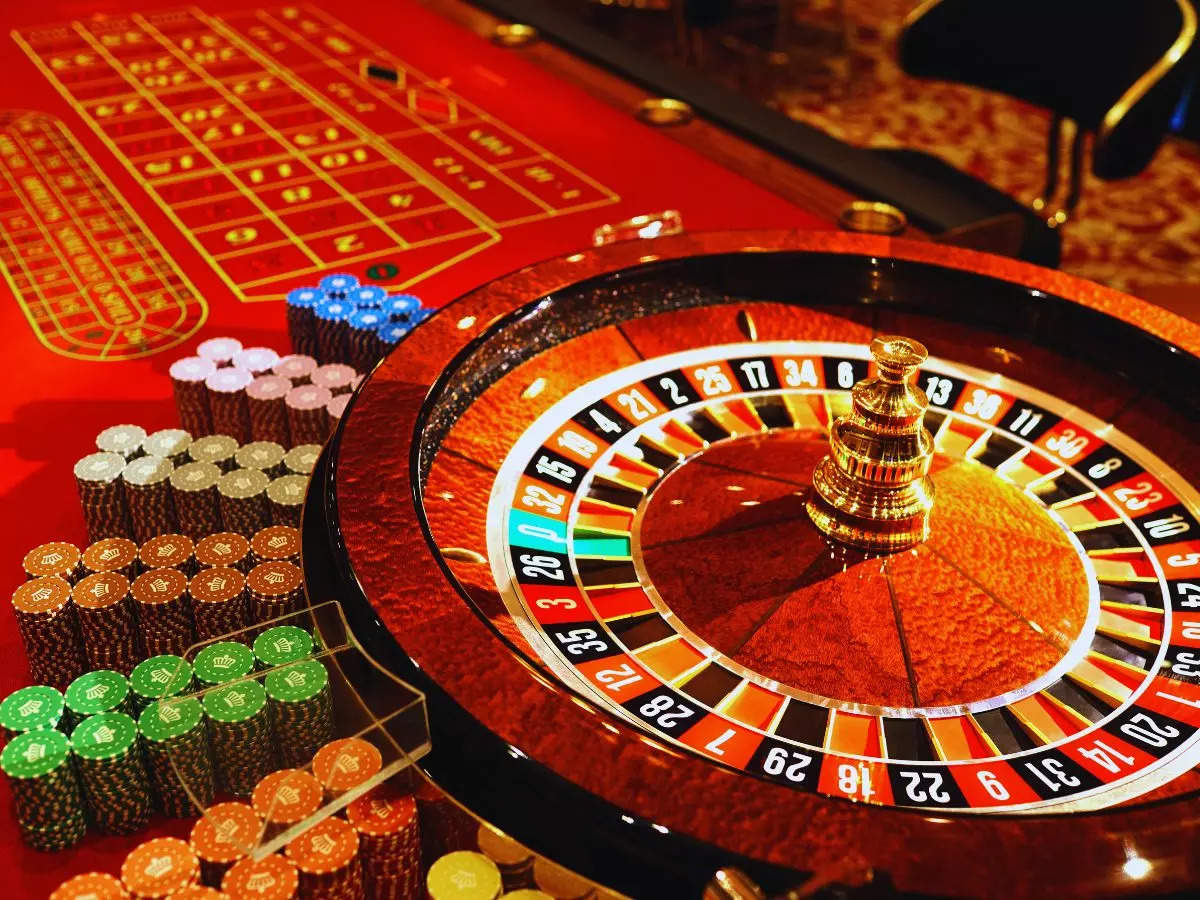
Exploring Gambling Online
The digital age has revolutionized the gambling landscape, introducing online platforms that allow players to engage in their favorite games from the comfort of their homes. The rise of the internet has led to the proliferation of online casinos, offering a vast array of games and the ability to play against others globally.
This shift to online gambling has not only expanded accessibility but also sparked debates around regulation and responsible gaming. As the industry continues to grow, understanding its roots and cultural significance becomes increasingly important to ensure a balanced perspective on its role in modern society.
Leave a Reply